This is one of Harry's pink-slime-free surprise burgers. For this session of burgers last summer, we used ground chuck from Lanning's in Mount Vernon. Locally owned, they source most of their meat from Ohio. Until I can afford my own grass-fed freezer beef, this is as close as it's going to get unless we grind our own (which we do on occasion).
I wrote a fact box for Yahoo! News this morning about the latest development in the pink slime saga and I'll link it here if they decide to publish it. Without too many details, I awoke this morning to see the news that Beef Products, Inc. had suspended operations in 3 of their 4 plants. The makers of the ammonia-treated lean beef trimmings used in filler in 70 percent of the ground beef in our country, after being badgered in the media, specifically by ABC News, and social media (I can't count the number of #pinkslime related things I've seen in the last few weeks) is, in a word, screwed.
I felt a bit of concern for the people who will lose their jobs if the suspensions become permanent closures. I don't like mass job losses of any sort - our economy is still struggling. But, one thing that has run through my mind several times over the last few weeks is "why now?" Why did it finally explode in the media and cause the purveyors of this crap to stop (or plan to stop) using it to cut costs?
It's not like pink slime is new. It's been around since about 2001 and approved for use as up to 15 percent filler in ground beef without benefit of disclosure. I learned about in April of 2011 during the season premier of "Jamie Oliver's Food Revolution". Jamie's demonstration is overly-dramatic, but it sent me searching. Yes, it's pretty gross to watch.
So, I did some digging. I put together a Q & A for Yahoo! News and while most of the comments from last year have been removed, it gained a lot of traffic. One of the most frequent comments, after "gross", was that people were unhappy to learn that their ground beef had this filler.
But, the status quo continued until late January. That's when McDonald's announced they would no longer use the filler in their hamburgers. In fact, they stopped using it last August. Other fast food chains stepped up to the plate and announced their own plans to discontinue the use of pink slime. But, that's not what brought down BPI.
I couldn't figure out why ABC was suddenly so relentless in its reporting of the issue over the last few weeks. After all, the New York Times had investigated the process and the company in 2009 and the "stunning" information revealed in the ABC and other media reports wasn't anything new. Why now?
Meet Bettina at The Lunch Tray. Food blogger, activist and creator of an online petition to remove pink slime from school lunches. When she launched the petition on March 6, Bettina hoped to convince the USDA to reconsider their decision to buy 7 million pounds of the filler to add to the school lunch program. She had over 100,000 signatures in four days. And, when something goes viral in social media, the mainstream media has no choice but to cover it. The petition worked in a way. The USDA will give school districts the choice to opt-out of the pink slime-filled beef. And, nearly every grocery chain in the country will discontinue selling pink slime-filled beef in response to customer concerns.
I picked the picture of Harry's surprise burger for a reason. That's how I felt last spring when I learned the government didn't think we needed to know that our ground beef contained this filler. It's not a matter of wanting the lean beef trimmings banned - I wanted them disclosed.
I learned something else when I stopped buying Kroger ground beef in the rolls and switched to Lanning's. We were in a pinch and had run out of ground beef and Lanning's was closed on Sunday. We decided to go ahead and run to Kroger because, as Harry had said months earlier, "We were already eating it all these years."
Harry makes GREAT burgers! He's a little unconventional, but they are always juicy and he grills them perfectly. These burgers, even though the only variable was the source of the beef, were practically inedible. They shriveled to nothing. The great beef taste we enjoyed from the Lanning's ground beef and our own ground beef was non-existent. Sometimes, you don't know what you're missing.
BPI, I sincerely hope your attempt at re-creating your image saves your company and all those jobs. I think you've got a hard row to hoe. If I can offer one piece of advice, it would be to regret all that lobbying you did 10 years ago to convince the government to not require labeling of your process and filler. Let the consumer be informed and let the consumer decide for themselves. If lean beef trimmings were so healthy and delicious, why would you be ashamed of labeling them?
We're just a couple who loves to play with our food. Come play in our kitchen with us!
Tuesday
Sunday
Chicken and Dumplings from Scratch
When I was a kid, I can remember a couple of my friends' mothers making chicken and dumplings regularly. I still remember Mrs. Altizer whipping together a batch in no time at all one Sunday after church. Mrs. Kerschner made dumplings to serve with mashed potatoes on a week night!
The first time I ever made chicken and dumplings was after I'd been married for about five years. I used a recipe called "Chicken Fricassee and Dumplings" from a Betty Crocker cookbook that was a gift when I first got married in 1983. The ex-husband didn't like them because the chicken was still on the bones. I didn't like them because the dumplings were like biscuits - they weren't like the slippery dumplings I remember from my youth.
For years, the slippery (noodle-like) dumplings eluded me. I would occasionally make the drop dumplings, but I never found a recipe that told me what I was doing wrong. I had to satisfy that slippery-dumpling-craving with occasional visits to Cracker Barrel.
When I saw the picture for this recipe on Pinterest, I knew I had found the dumplings of my memories. The recipe, from the Tasty Kitchen, is easy to follow and a bit different from standard noodles. When I make homemade noodles, the dough is very stiff. I mistakenly used the food processor the first time I made these dumplings but it wasn't necessary. I used the pastry cutter (sorry Alton Brown) to blend the butter into the dry ingredients and it's easy to stir the milk in with a silicon spatula.
The dough will be very soft and you need to use a lot of flour with this recipe to keep it from sticking to the work surface. Someday, when I'm all grown up, I'll remember to buy a pastry mat. Just a few light strokes with the rolling pin and I had a uniform thickness of about 1/8". Uniformity is NOT required when you cut the dumplings with a knife or rolling pizza cutter. Useless trivia: Cracker Barrel uses a special tool to insure uniform dumplings. The prep cook uses a sugar packet to size the cuts.
This day happened to be "Harry's making homemade chicken stock" day. I pulled about four cups from the huge, simmering stock pot and poured it into the smaller pot, added 4 cups of water and about one pound of cooked chicken.
Once the stock and meat was at a strong simmer, I added the dumplings. Go ahead and add the leftover flour from the table - it will help thicken the stock or broth into a nice stew-ish consistency. Simmer for about 20 minutes, taste checking the broth and dumplings.
I forgot and added my black pepper before I took the picture. I love lots of black pepper on anything creamy, so adjust accordingly.
You can use leftover chicken or maybe a deli-rotisserie chicken, along with packaged broth or chicken stock to speed up the process. Because we already had our chicken stock and picked meat, these homemade chicken and dumplings took me about 40 minutes to make.
Chicken and Dumplings from Scratch - serves 6
2 cups all-purpose flour
1/2 teaspoon baking powder
pinch of salt
2 tablespoons cold butter
1 cup of milk (you might need a little less)
2 quarts chicken broth OR 1 quart of chicken stock and 1 quart of water
1 pound cooked, boneless chicken
While you are mixing the dumplings, bring the broth to a strong simmer over medium heat.
In a large bowl, combine the flour, baking powder and salt. Cut in the butter with a pastry blender, pair of knives, or your fingers until the mixture resembles coarse crumbs. Gently stir in 3/4 cup of milk. The dough should be very soft, like biscuits, so add the remaining milk until you have the proper consistency. It will be sticky!
Spread a generous amount of all-purpose flour on your work surface and dust your rolling pin liberally with flour. Pour/scrape the dumpling dough onto the flour. Use light strokes to roll the dough into a uniform thickness, about 1/8". You might have to dust your rolling pin with flour more than once.
Using a knife or a pizza roller (my choice because it was so fast!), cut the dough into square-ish shapes about 2 inches by 2 inches. Don't worry about perfection - the dumplings will change shape while they are cooking and won't be the same size no matter what you do!
I use a slotted spatula to transfer the dumplings from the table into the simmering broth. You want to add most of the flour you have left-over from the rolling to thicken the broth. Stir the dumplings gently and add the chicken meat.
Continue to simmer the dumplings for about 20 minutes or until cooked through.
Usually, I add a few chopped veggies to our chicken and dumplings. Diced carrots and celery add a great flavor. Simply saute them in a splash of extra virgin olive oil or canola oil in the bottom of the stock pot before you add the broth. I like to saute the carrots and celery just until they start to color to add more flavor to the broth. They will finish cooking as you simmer the dumplings.
The first time I ever made chicken and dumplings was after I'd been married for about five years. I used a recipe called "Chicken Fricassee and Dumplings" from a Betty Crocker cookbook that was a gift when I first got married in 1983. The ex-husband didn't like them because the chicken was still on the bones. I didn't like them because the dumplings were like biscuits - they weren't like the slippery dumplings I remember from my youth.
For years, the slippery (noodle-like) dumplings eluded me. I would occasionally make the drop dumplings, but I never found a recipe that told me what I was doing wrong. I had to satisfy that slippery-dumpling-craving with occasional visits to Cracker Barrel.
When I saw the picture for this recipe on Pinterest, I knew I had found the dumplings of my memories. The recipe, from the Tasty Kitchen, is easy to follow and a bit different from standard noodles. When I make homemade noodles, the dough is very stiff. I mistakenly used the food processor the first time I made these dumplings but it wasn't necessary. I used the pastry cutter (sorry Alton Brown) to blend the butter into the dry ingredients and it's easy to stir the milk in with a silicon spatula.
The dough will be very soft and you need to use a lot of flour with this recipe to keep it from sticking to the work surface. Someday, when I'm all grown up, I'll remember to buy a pastry mat. Just a few light strokes with the rolling pin and I had a uniform thickness of about 1/8". Uniformity is NOT required when you cut the dumplings with a knife or rolling pizza cutter. Useless trivia: Cracker Barrel uses a special tool to insure uniform dumplings. The prep cook uses a sugar packet to size the cuts.
This day happened to be "Harry's making homemade chicken stock" day. I pulled about four cups from the huge, simmering stock pot and poured it into the smaller pot, added 4 cups of water and about one pound of cooked chicken.
Once the stock and meat was at a strong simmer, I added the dumplings. Go ahead and add the leftover flour from the table - it will help thicken the stock or broth into a nice stew-ish consistency. Simmer for about 20 minutes, taste checking the broth and dumplings.
I forgot and added my black pepper before I took the picture. I love lots of black pepper on anything creamy, so adjust accordingly.
You can use leftover chicken or maybe a deli-rotisserie chicken, along with packaged broth or chicken stock to speed up the process. Because we already had our chicken stock and picked meat, these homemade chicken and dumplings took me about 40 minutes to make.
Chicken and Dumplings from Scratch - serves 6
2 cups all-purpose flour
1/2 teaspoon baking powder
pinch of salt
2 tablespoons cold butter
1 cup of milk (you might need a little less)
2 quarts chicken broth OR 1 quart of chicken stock and 1 quart of water
1 pound cooked, boneless chicken
While you are mixing the dumplings, bring the broth to a strong simmer over medium heat.
In a large bowl, combine the flour, baking powder and salt. Cut in the butter with a pastry blender, pair of knives, or your fingers until the mixture resembles coarse crumbs. Gently stir in 3/4 cup of milk. The dough should be very soft, like biscuits, so add the remaining milk until you have the proper consistency. It will be sticky!
Spread a generous amount of all-purpose flour on your work surface and dust your rolling pin liberally with flour. Pour/scrape the dumpling dough onto the flour. Use light strokes to roll the dough into a uniform thickness, about 1/8". You might have to dust your rolling pin with flour more than once.
Using a knife or a pizza roller (my choice because it was so fast!), cut the dough into square-ish shapes about 2 inches by 2 inches. Don't worry about perfection - the dumplings will change shape while they are cooking and won't be the same size no matter what you do!
I use a slotted spatula to transfer the dumplings from the table into the simmering broth. You want to add most of the flour you have left-over from the rolling to thicken the broth. Stir the dumplings gently and add the chicken meat.
Continue to simmer the dumplings for about 20 minutes or until cooked through.
Usually, I add a few chopped veggies to our chicken and dumplings. Diced carrots and celery add a great flavor. Simply saute them in a splash of extra virgin olive oil or canola oil in the bottom of the stock pot before you add the broth. I like to saute the carrots and celery just until they start to color to add more flavor to the broth. They will finish cooking as you simmer the dumplings.
Tuesday
Slow-Roasted Pork Shoulder
This, my friends, is about 5 pounds of slow-roasted pork shoulder. Harry did a great job of hand-pulling the meat and now it's ready for a variety of recipes - or just nibbling on it until dinner is ready!
When we find a great deal on a huge piece of meat, we can't pass it up. While we would prefer to smoke it, Harry's cooking hours are severely limited. That doesn't mean I can't have juicy, tender pulled pork that I can use in ways other than sandwiches.
I like to keep slow-roasted pork in the freezer for a quick start to a meal. We use it in a lot of our Asian-inspired dishes such as Hot & Sour Soup or stir-fry. It's super-easy to make a quick Pork Fried Rice when all I have to do is chop the meat. When we roast the pork, I also get a large amount of pork broth that I can use to make pork & noodles or simple open-faced pork sandwiches smothered in gravy.
The prep work for the pork takes about as long as it takes for your oven to preheat to 250 degrees. Low and slow is required to keep the shoulder from drying out. Someday, when I plan far enough ahead, I'd like to experiment with oven-smoking.
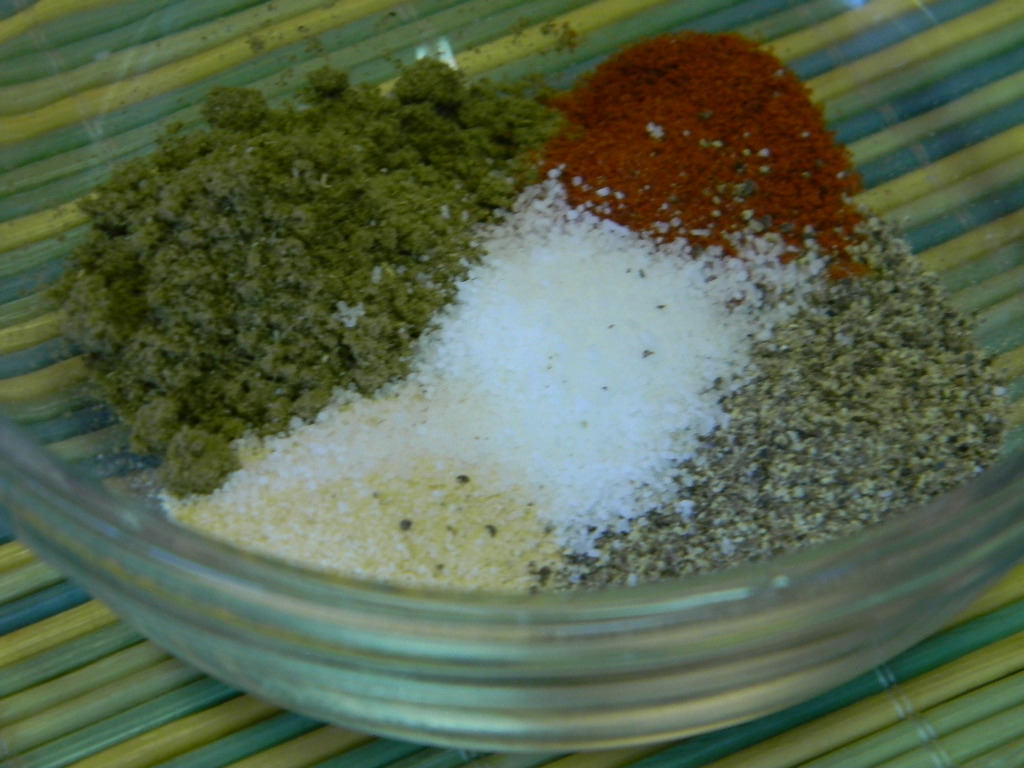
The rub for this pork shoulder is simple. We started with close to seven pounds of raw meat (bone-in), so I went a little light with the rub. In a small bowl, combine 1 tablespoon of sage, 1 teaspoon each of Kosher salt, granulated garlic and ground black pepper, and one-half of a teaspoon of paprika.
You can see that I didn't build up a crust on the pork, but rather a nice, light seasoning. You don't want to mask the flavor of the pork by going too heavy with the rub. Add about a half-cup of water or beer, cover the pan with foil, and walk away for about 6 hours.Do the laundry. Clean the bathroom. Sit on the porch with cocktails and watch the clouds pass by.
I never peek before the pork shoulder has been roasting for at least 6 hours - constant checking will allow the moisture to escape. Since we will remove the fat when we pull the pork, I'm not concerned with getting a crispy crust. You want the pork to test at at least 180 degrees Fahrenheit before you remove it. I've gotten distracted and let it go to about 200 degrees without losing any flavor or tenderness.
Once the pork has cooled enough to handle, you can use your clean hands or a pair of forks to pull the meat from the bone. Package the cooled pork and freeze for later use. OR - mix up a batch of it with your favorite barbecue sauce for sandwiches immediately - do NOT forget the dill pickle slices. They are very important.
When we find a great deal on a huge piece of meat, we can't pass it up. While we would prefer to smoke it, Harry's cooking hours are severely limited. That doesn't mean I can't have juicy, tender pulled pork that I can use in ways other than sandwiches.
I like to keep slow-roasted pork in the freezer for a quick start to a meal. We use it in a lot of our Asian-inspired dishes such as Hot & Sour Soup or stir-fry. It's super-easy to make a quick Pork Fried Rice when all I have to do is chop the meat. When we roast the pork, I also get a large amount of pork broth that I can use to make pork & noodles or simple open-faced pork sandwiches smothered in gravy.
The prep work for the pork takes about as long as it takes for your oven to preheat to 250 degrees. Low and slow is required to keep the shoulder from drying out. Someday, when I plan far enough ahead, I'd like to experiment with oven-smoking.
The rub for this pork shoulder is simple. We started with close to seven pounds of raw meat (bone-in), so I went a little light with the rub. In a small bowl, combine 1 tablespoon of sage, 1 teaspoon each of Kosher salt, granulated garlic and ground black pepper, and one-half of a teaspoon of paprika.
You can see that I didn't build up a crust on the pork, but rather a nice, light seasoning. You don't want to mask the flavor of the pork by going too heavy with the rub. Add about a half-cup of water or beer, cover the pan with foil, and walk away for about 6 hours.
I never peek before the pork shoulder has been roasting for at least 6 hours - constant checking will allow the moisture to escape. Since we will remove the fat when we pull the pork, I'm not concerned with getting a crispy crust. You want the pork to test at at least 180 degrees Fahrenheit before you remove it. I've gotten distracted and let it go to about 200 degrees without losing any flavor or tenderness.
Once the pork has cooled enough to handle, you can use your clean hands or a pair of forks to pull the meat from the bone. Package the cooled pork and freeze for later use. OR - mix up a batch of it with your favorite barbecue sauce for sandwiches immediately - do NOT forget the dill pickle slices. They are very important.
Wednesday
Red Wine-Braised Short Ribs - March 2012 Daring Cooks Challenge
I don't know if I'm going to be able to upload any other pics from this Daring Kitchen Challenge! I switched to Picasa over the weekend and I'm having techie issues and am not happy. BUT - the above photo is our entry into the March 2012 Daring Cooks Challenge - Red Wine-Braised Short Ribs. I might be able to add more pix later.
The March, 2012 Daring Cooks’ Challenge was hosted by Carol, a/k/a Poisonive – and she challenged us all to learn the art of Braising! Carol focused on Michael Ruhlman’s technique and shared with us some of his expertise from his book “Ruhlman’s Twenty”.
Short ribs - lots of flavor but difficult to cook to edible status, unless you braise. We have avoided short ribs because we generally associate ribs with grilling. The couple of time we've mistakenly tried to cook beef short ribs with our traditional techniques - par-boil or slow-roasting, then finishing on the grill - we've been left with tough, impossible-to-chew chunks with no flavor nor tenderness.
The exciting part about joining the Daring Kitchen was to learn new cooking techniques. So, when this month focused on learning to properly braise and our minds automatically go to meat, we were hooked. In all, while this recipe is heavy on the time commitment, it's rather light in the labor department. Yes, you need to clean and chop a few veggies. Yes, you need to let the ribs simmer in the oven for about 4 hours. However, the fall-off-the-bone tenderness will convince you that you need a go-to recipe for short-ribs when they go on sale.
We made very few changes to the recipe for Red Wine-Braised Short Ribs from Carol (and probably Michael Ruhlman). I bought the last two packages of short ribs available (no, I'm lame - Kroger doesn't cut short ribs in-store) and our meat was around 2 1/2 pounds rather than three pounds. We only used about 12 ounces of fresh, sliced mushrooms rather than the pound suggested because Harry and I are still learning to embrace the fungus. AND, we added about a tablespoon of red wine vinegar to the sauce near the end because ours turned out very earthy and dark and we preferred to brighten it up. Oh - and we served it over rice. The common recommendation is to serve this recipe over mashed potatoes, buttered noodles or polenta. Sorry - we love rice!
Our impressions of the challenge:
* Texture: 5 out of 5! The beef short ribs were incredibly tender, regardless of my feelings as to how they were cut. The meat fell from the bone and I was able to cut through the chunks with my fork. The fat was cooked away during the braise.
*Technique: If I go from the mindset of an inexperienced cook, I have to give this a 3 out of 5. In all honesty, the technique for slow-braising is going to frighten off a cook who's not very experienced in the kitchen. They might not have a pot that will work for the braising method. They might be frightened by the length of time in the oven and not believe the adage that they can just 'walk away' while the meat slow-cooks in the oven. With our kitchen skills, this technique and recipe were a breeze to follow. (Well, I might still be lacking in the searing department.)
*Taste: I think I'm being unfair to give the taste a 4 out of 5, but I know that it's our personal tastes. The honey, during the slow-braising process, cut through the acidity of the wine and the tomato paste, leaving a pleasant but not syrupy sweet taste in the braising liquid. However, we finish almost every dish with a splash or two of some type of vinegar to brighten up the taste. I have to agree, with the exception of the mushrooms (because I'm trying to learn to embrace the fungus), the portion that I reheated the next day was delicious.
You can visit The Daring Kitchen for the complete recipe for Red Wine-Braised Short Ribs and more.
The March, 2012 Daring Cooks’ Challenge was hosted by Carol, a/k/a Poisonive – and she challenged us all to learn the art of Braising! Carol focused on Michael Ruhlman’s technique and shared with us some of his expertise from his book “Ruhlman’s Twenty”.
Short ribs - lots of flavor but difficult to cook to edible status, unless you braise. We have avoided short ribs because we generally associate ribs with grilling. The couple of time we've mistakenly tried to cook beef short ribs with our traditional techniques - par-boil or slow-roasting, then finishing on the grill - we've been left with tough, impossible-to-chew chunks with no flavor nor tenderness.
The exciting part about joining the Daring Kitchen was to learn new cooking techniques. So, when this month focused on learning to properly braise and our minds automatically go to meat, we were hooked. In all, while this recipe is heavy on the time commitment, it's rather light in the labor department. Yes, you need to clean and chop a few veggies. Yes, you need to let the ribs simmer in the oven for about 4 hours. However, the fall-off-the-bone tenderness will convince you that you need a go-to recipe for short-ribs when they go on sale.
We made very few changes to the recipe for Red Wine-Braised Short Ribs from Carol (and probably Michael Ruhlman). I bought the last two packages of short ribs available (no, I'm lame - Kroger doesn't cut short ribs in-store) and our meat was around 2 1/2 pounds rather than three pounds. We only used about 12 ounces of fresh, sliced mushrooms rather than the pound suggested because Harry and I are still learning to embrace the fungus. AND, we added about a tablespoon of red wine vinegar to the sauce near the end because ours turned out very earthy and dark and we preferred to brighten it up. Oh - and we served it over rice. The common recommendation is to serve this recipe over mashed potatoes, buttered noodles or polenta. Sorry - we love rice!
Our impressions of the challenge:
* Texture: 5 out of 5! The beef short ribs were incredibly tender, regardless of my feelings as to how they were cut. The meat fell from the bone and I was able to cut through the chunks with my fork. The fat was cooked away during the braise.
*Technique: If I go from the mindset of an inexperienced cook, I have to give this a 3 out of 5. In all honesty, the technique for slow-braising is going to frighten off a cook who's not very experienced in the kitchen. They might not have a pot that will work for the braising method. They might be frightened by the length of time in the oven and not believe the adage that they can just 'walk away' while the meat slow-cooks in the oven. With our kitchen skills, this technique and recipe were a breeze to follow. (Well, I might still be lacking in the searing department.)
*Taste: I think I'm being unfair to give the taste a 4 out of 5, but I know that it's our personal tastes. The honey, during the slow-braising process, cut through the acidity of the wine and the tomato paste, leaving a pleasant but not syrupy sweet taste in the braising liquid. However, we finish almost every dish with a splash or two of some type of vinegar to brighten up the taste. I have to agree, with the exception of the mushrooms (because I'm trying to learn to embrace the fungus), the portion that I reheated the next day was delicious.
You can visit The Daring Kitchen for the complete recipe for Red Wine-Braised Short Ribs and more.
Tuesday
Crocheted Dish Cloths in the kitchen
Last week, I made a discovery - I LOVE crocheted dish cloths and I can't believe I've never used them. I've had a few in my drawer for years, made by Grannie, that I've never used. I was always afraid they wouldn't stand up to heavy scrubbing. Besides, Grannie made them - I didn't want to ruin them!
We do a lot of dishes - we don't have an automatic dishwasher and I even told Dad the other day, I don't miss not having one. Maybe it's because I've rarely had one in my adult life. I'm not fond of washing dishes but I just consider it part and parcel of being someone who loves to cook.
I'm running low on commercial dish cloths. Eventually, bleaching and constant use will wear them out and I just toss them in the trash when they get too beat up. Somehow, I started to do dishes last week and realized I didn't have a clean dish cloth in my drawer - they were in the basement waiting to be washed. sigh
I did have the pretty crocheted dish cloths from Grannie and decided "she made them so they can be used" and threw one into the sink. I was hooked by the time I got done with the plates and silverware. The lipstick wiped right off the rim of my coffee cup and there was just enough "roughage" to gently scrub the dishes.
I thought "hmmm...I need more. I have some crochet cotton in the basement but I have to focus what little crochet time I have on the afghan I'm making for my grandson. Wouldn't it be great if I had a friend who had an Etsy shop where I could just buy some crochet dish cloths?"
I do. My friend Marie Anne over at The Crooked Yarn is my go-to source for crochet information. She inspires me and created the pattern I'm using to make the afghan. She also has an Etsy shop and I was able to buy them immediately. Marie Anne does special orders and if you prefer a different color for your dish cloths, it's no problem. She had posted this set of blue and white dish cloths a while back on Facebook and I thought "how pretty - I can decorate with those!" No - I'm using them in my kitchen now.
No special washing is needed - I'll just wash them with the rest of the kitchen towels and such like I always do. Even if you have a dishwasher in your kitchen, you do have a need for dish cloths and the crocheted version is sturdy and pretty.
We do a lot of dishes - we don't have an automatic dishwasher and I even told Dad the other day, I don't miss not having one. Maybe it's because I've rarely had one in my adult life. I'm not fond of washing dishes but I just consider it part and parcel of being someone who loves to cook.
I'm running low on commercial dish cloths. Eventually, bleaching and constant use will wear them out and I just toss them in the trash when they get too beat up. Somehow, I started to do dishes last week and realized I didn't have a clean dish cloth in my drawer - they were in the basement waiting to be washed. sigh
I did have the pretty crocheted dish cloths from Grannie and decided "she made them so they can be used" and threw one into the sink. I was hooked by the time I got done with the plates and silverware. The lipstick wiped right off the rim of my coffee cup and there was just enough "roughage" to gently scrub the dishes.
I thought "hmmm...I need more. I have some crochet cotton in the basement but I have to focus what little crochet time I have on the afghan I'm making for my grandson. Wouldn't it be great if I had a friend who had an Etsy shop where I could just buy some crochet dish cloths?"
I do. My friend Marie Anne over at The Crooked Yarn is my go-to source for crochet information. She inspires me and created the pattern I'm using to make the afghan. She also has an Etsy shop and I was able to buy them immediately. Marie Anne does special orders and if you prefer a different color for your dish cloths, it's no problem. She had posted this set of blue and white dish cloths a while back on Facebook and I thought "how pretty - I can decorate with those!" No - I'm using them in my kitchen now.
No special washing is needed - I'll just wash them with the rest of the kitchen towels and such like I always do. Even if you have a dishwasher in your kitchen, you do have a need for dish cloths and the crocheted version is sturdy and pretty.
Sunday
Homemade Chicken Stock
It's no secret that Harry is the primary hunter when it comes to the meat in our kitchen. He has an eye for the bargains. Whenever he's in the store, he always checks the meat department and looks first for the orange markdown tags.
There is nothing wrong with the meat that has been marked down. By law, grocers have to sell fresh items by a certain date. To cut their losses, grocers will mark down the price, sometimes by as much as half. We've been stocking our freezer this way for years.
Last week, Harry found chicken leg quarters at a stupid low price. He even said later he should have bought more. But, he brought home 11 pounds of quarters for around $5.25 - that's a great deal. We stuck them in the freezer immediately until we could make chicken stock on Sunday.
All you need to make homemade chicken stock is time. Prepping the vegetables took him about five minutes. The time needed is inactive - you just have to let it simmer, skim it occasionally and add more water as needed. Whether we're using whole chicken or quarters, we always pull the meat out when it is cooked - usually after 45 minutes to an hour. Harry picks the meat from the bones and the bones go back into the pot.
For this batch, we used carrots, celery, shallots, a leek, bay leaves, kosher salt and crushed peppercorns. We like pepper, so you might not want as much in your chicken stock.
This stock pot - a gift from my mom - holds three gallons and the only time we use it is to make stock. The technique is simple - put the chicken in the pot, cover it with cold water and bring to a simmer. Add the vegetables and seasonings and let it cook over medium with a slow boil until the chicken meat is cooked. Usually, unless you're serving chicken salad with breast meat, you're going to cook the meat again. It isn't necessary for it to be "cooked" cooked.
After Harry picked the meat from the bones, we have about 3 1/2 pounds of dark chicken meat. In the bowl is the meat I'm going to use to make Chicken & Dumplings and the rest of it will go into the freezer for Chicken Pot Pies, stir-fry, soups or whatever I decide. The skin and the bones go back into the simmering broth.
In another pot, I've added the picked meat to about 4 cups of chicken stock to make the chicken and dumplings. We were running short on time so I didn't chop up any extra vegetables to saute for this batch. Our stock is generally very strong and flavorful, so I also add about 2 cups of water.
Harry will generally let the stock and bones simmer for about two hours to draw as much flavor as possible out of the bones. Sometimes, he needs to add more water and let it cook down. We probably use 4 to 5 gallons of water to make two gallons of stock. The slow cooking and evaporation helps create a sturdy stock that will kick the pants off of anything you buy on the shelf.
When the stock has cooled enough for Harry to handle the pot, he strains it into containers. We let it chill overnight in the fridge, allowing the fat to rise to the surface. Then, I scrape the fat off and put the chicken stock into the freezer for future use.
We made two gallons of chicken stock and the total cost - including pantry items - was about $6. A quart-size box of chicken stock costs around $3 on sale. Plus, we also have three pounds of picked chicken meat in the freezer. I'd say it's worthwhile to make your own.
And these are the Chicken and Slippery Dumplings I made while Harry was finishing the stock. More on that later.
Two Gallons of Chicken Stock
8 to 10 pounds of chicken leg quarters OR
one whole fryer chicken, thawed
3 carrots
3 celery stalks
1 leek
1 shallot
1-2 teaspoons Kosher salt
1 tablespoon cracked peppercorns
3-4 bay leaves
Clean and slice the vegetables in half. All you're trying to do is create a surface for the vegetable flavor to come out of - you don't have to be precise.
Place the chicken in a large stock pot, and cover with at least 2 gallons of water. Bring to a strong simmer over medium-high heat, then add the vegetables and seasonings. Continue to simmer over medium heat for 45-60 minutes until the chicken is cooked.
Remove the chicken to a plate and reduce the heat to low. When the chicken is cool enough, using your hands or forks, pull the meat from the bones, cleaning the skin away from the meat.
After the chicken is pulled, add the bones and skin back to the stock and increase the heat to medium. Continue to cook at a strong simmer for one to two hours, adding water as necessary to concentrate the stock. Adjust the seasonings to taste.
Allow the stock to cool at room temperature until you can safely strain it through a fine sieve or a colander layered with cheesecloth. Pour into containers the size you desire and refrigerate overnight. The next day, skim the chilled fat that has risen to the surface and freeze the containers. We've kept frozen chicken stock for nine months with no flavor issues.
There is nothing wrong with the meat that has been marked down. By law, grocers have to sell fresh items by a certain date. To cut their losses, grocers will mark down the price, sometimes by as much as half. We've been stocking our freezer this way for years.
Last week, Harry found chicken leg quarters at a stupid low price. He even said later he should have bought more. But, he brought home 11 pounds of quarters for around $5.25 - that's a great deal. We stuck them in the freezer immediately until we could make chicken stock on Sunday.
All you need to make homemade chicken stock is time. Prepping the vegetables took him about five minutes. The time needed is inactive - you just have to let it simmer, skim it occasionally and add more water as needed. Whether we're using whole chicken or quarters, we always pull the meat out when it is cooked - usually after 45 minutes to an hour. Harry picks the meat from the bones and the bones go back into the pot.
For this batch, we used carrots, celery, shallots, a leek, bay leaves, kosher salt and crushed peppercorns. We like pepper, so you might not want as much in your chicken stock.
This stock pot - a gift from my mom - holds three gallons and the only time we use it is to make stock. The technique is simple - put the chicken in the pot, cover it with cold water and bring to a simmer. Add the vegetables and seasonings and let it cook over medium with a slow boil until the chicken meat is cooked. Usually, unless you're serving chicken salad with breast meat, you're going to cook the meat again. It isn't necessary for it to be "cooked" cooked.
After Harry picked the meat from the bones, we have about 3 1/2 pounds of dark chicken meat. In the bowl is the meat I'm going to use to make Chicken & Dumplings and the rest of it will go into the freezer for Chicken Pot Pies, stir-fry, soups or whatever I decide. The skin and the bones go back into the simmering broth.
In another pot, I've added the picked meat to about 4 cups of chicken stock to make the chicken and dumplings. We were running short on time so I didn't chop up any extra vegetables to saute for this batch. Our stock is generally very strong and flavorful, so I also add about 2 cups of water.
Harry will generally let the stock and bones simmer for about two hours to draw as much flavor as possible out of the bones. Sometimes, he needs to add more water and let it cook down. We probably use 4 to 5 gallons of water to make two gallons of stock. The slow cooking and evaporation helps create a sturdy stock that will kick the pants off of anything you buy on the shelf.
When the stock has cooled enough for Harry to handle the pot, he strains it into containers. We let it chill overnight in the fridge, allowing the fat to rise to the surface. Then, I scrape the fat off and put the chicken stock into the freezer for future use.
We made two gallons of chicken stock and the total cost - including pantry items - was about $6. A quart-size box of chicken stock costs around $3 on sale. Plus, we also have three pounds of picked chicken meat in the freezer. I'd say it's worthwhile to make your own.
And these are the Chicken and Slippery Dumplings I made while Harry was finishing the stock. More on that later.
Two Gallons of Chicken Stock
8 to 10 pounds of chicken leg quarters OR
one whole fryer chicken, thawed
3 carrots
3 celery stalks
1 leek
1 shallot
1-2 teaspoons Kosher salt
1 tablespoon cracked peppercorns
3-4 bay leaves
Clean and slice the vegetables in half. All you're trying to do is create a surface for the vegetable flavor to come out of - you don't have to be precise.
Place the chicken in a large stock pot, and cover with at least 2 gallons of water. Bring to a strong simmer over medium-high heat, then add the vegetables and seasonings. Continue to simmer over medium heat for 45-60 minutes until the chicken is cooked.
Remove the chicken to a plate and reduce the heat to low. When the chicken is cool enough, using your hands or forks, pull the meat from the bones, cleaning the skin away from the meat.
After the chicken is pulled, add the bones and skin back to the stock and increase the heat to medium. Continue to cook at a strong simmer for one to two hours, adding water as necessary to concentrate the stock. Adjust the seasonings to taste.
Allow the stock to cool at room temperature until you can safely strain it through a fine sieve or a colander layered with cheesecloth. Pour into containers the size you desire and refrigerate overnight. The next day, skim the chilled fat that has risen to the surface and freeze the containers. We've kept frozen chicken stock for nine months with no flavor issues.
Saturday
Pineapple Upside Down Cake from The Wright Taste
For the most part, we always said "if it can be baked, we can make it!" Very rarely did I ever tell a customer "no, I can't do it." We did turn down requests for sour dough bread because of the storage issue and I experimented (badly) with pumpernickel bread. So, when a man asked if we could bake a pineapple upside-down cake, of course the answer was "yes."
I started searching through my cookbook collection. A lot of the newer books didn't even have a recipe for this heritage cake. I struck gold with "Blue Ribbon Recipes", published in 1968. When Gramma passed away in 2004, I received her collection of cookbooks and this book was in there. I was a little surprised to see it listed and available on Amazon. If you have an appreciation for heritage recipes, this book is a steal at $8.95. "Blue Ribbon Recipes" is a compilation of county fair prize-winning recipes from throughout the country during the fifties and sixties. Some of the ingredients might make your inner foodie say "eewww" but I've been able to modify successfully.
A pineapple upside-down cake is basically a moist, vanilla-flavored cake baked in an iron skillet that has been layered with melted butter, brown sugar, pineapple rings and maraschino cherries for color. It's a simple cake that comes out of the pan already decorated. One word of warning - don't be tempted to let the cake cool in the pan before turning it onto a plate. The brown-sugar glaze will stay in the pan!
This recipe doubles easily in order to make a 9 x 13 inch sheet cake. The original customer came back the very next week and ordered TWO 9 x 13 cakes. It will be a little less thick than those baked in a skillet, but it will be just as moist. I've also baked the batter strictly as cupcakes or cake layers (double the recipe for a 2-layer cake) and it is the most moist, delicious cake I've ever made. Beats any box ever!
So, Kathy Poe of Placerville, Calif. who won a ribbon at the El Dorado County Fair: if you are still out there, thank you for this recipe.
Pineapple Upside-Down Cake
1/3 cup butter, melted
1/2 cup packed light brown sugar
6 canned, sliced pineapple rings in natural juice, drained
6 maraschino cherries
1 1/2 cups all-purpose flour
1 cup granulated sugar
2 teaspoons baking powder
1/2 teaspoon salt
1/3 cup butter, softened**
2/3 cup milk
1 teaspoon pure vanilla extract
1 egg
Preheat oven to 350 degrees Fahrenheit. Melt 1/3 cup of butter in a 10-inch cast iron skillet over medium low heat. When melted, remove from heat and sprinkle the brown sugar evenly over the butter. Arrange the pineapple slices and cherries over the brown sugar/butter mixture and set the pan aside.
In a medium mixing bowl (or your stand mixer), combine the flour, sugar, baking powder and salt and mix thoroughly. Add the softened butter, milk and vanilla extract.*** Mix on low speed for 2 minutes or "300 vigorous strokes by hand". Add the egg and mix for 2 more minutes.
Pour the batter over the fruit and bake in the preheated oven 40-50 minutes or until a tester is clean. Immediately invert the cake onto the serving plate. Allow to cool to room temperature before serving (the caramelized sauce will stick to you and burn!)
**Ms. Poe used "soft shortening" rather than butter in her recipe.
***I know that current cake gurus recommend creaming the sugar and fat, then alternately adding the dry and wet ingredients, ending with the dry. I used my stand mixer but figured if Ms. Poe could win a ribbon with this recipe, I should probably follow her method.
Friday
Our KitchenAid 600 Professional 6-Quart Mixer
I'll admit the picture isn't that great. I was making bread the other day and thought "I've never really explained how important this machine is in our lives!" The sun was so bright but you can get the idea.This is a KitchenAid 600 Professional 6-quart stand mixer. It's actually our second and I'll explain that part later.
When we started The Wright Taste in 2007, I borrowed two KitchenAid stand mixers - one from Mom and one from my friend Heather. Each had a 4-quart bowl and I could make a standard batch of bread (two loaves) in each one. We had no idea how popular that bread would become and soon I was making 8 to 10 dozen loaves in one day. Those mixers were on from the crack of dawn until the middle of the night.
One day, Mom showed up and told Harry he needed to go out to her car. She decided we needed a bigger, more powerful mixer so nothing would happen to Heather's. So, Mom's investment in The Wright Taste was a KitchenAid 600.
Suddenly, I could mix FOUR loaves of bread at once. I can't count how many loaves of bread, dozens of garlic & cheese rolls and cinnamon rolls our mixer has made. The other night, we realized that we've had this mixer since around October of 2007. While for a normal kitchen, it's still an infant, our KitchenAid 600 has done the work of at least a hundred home kitchens in that amount of time.
In almost 4 1/2 years, Harry has given it the occasional tune-up (it's out of warranty now) and in 2010, we needed to replace some funky rotor thing that makes the attachments go around. It's due for another tune-up in which Harry takes it apart and cleans all the insides and with a little as we use it now compared to the way we used it then, it will probably last the rest of our lives.
We have practically every attachment available, if not all. We've ground meat, we've used it to make tomato juice and we've made pasta with the extruder.
About KitchenAid's warranty: I broke my first 600. I followed the instructions as to how much whole grain flour it recommended but my Multi-grain bread was too stiff. The KitchenAid started clanking something horrible and I'd only had it a few months. I called the toll-free number for service, hoping to have it repaired.
The rep asked me to turn the mixer on and he immediately heard the awful noise. No problem - we'll send you a new one right away. I had a brand-new in-the-box KitchenAid 600 delivered to my door in 2 days. They included a shipping label for the broken machine and FedEx came back the next day to pick it up. That's why we will continue to buy KitchenAid products that fit our needs - the service and I have proof of how much abuse one of their stand mixers will take.
Is there a tool in your kitchen that you can't live without? Feel free to leave a comment or a link to a post - I'd love to hear about it!
When we started The Wright Taste in 2007, I borrowed two KitchenAid stand mixers - one from Mom and one from my friend Heather. Each had a 4-quart bowl and I could make a standard batch of bread (two loaves) in each one. We had no idea how popular that bread would become and soon I was making 8 to 10 dozen loaves in one day. Those mixers were on from the crack of dawn until the middle of the night.
One day, Mom showed up and told Harry he needed to go out to her car. She decided we needed a bigger, more powerful mixer so nothing would happen to Heather's. So, Mom's investment in The Wright Taste was a KitchenAid 600.
Suddenly, I could mix FOUR loaves of bread at once. I can't count how many loaves of bread, dozens of garlic & cheese rolls and cinnamon rolls our mixer has made. The other night, we realized that we've had this mixer since around October of 2007. While for a normal kitchen, it's still an infant, our KitchenAid 600 has done the work of at least a hundred home kitchens in that amount of time.
In almost 4 1/2 years, Harry has given it the occasional tune-up (it's out of warranty now) and in 2010, we needed to replace some funky rotor thing that makes the attachments go around. It's due for another tune-up in which Harry takes it apart and cleans all the insides and with a little as we use it now compared to the way we used it then, it will probably last the rest of our lives.
We have practically every attachment available, if not all. We've ground meat, we've used it to make tomato juice and we've made pasta with the extruder.
About KitchenAid's warranty: I broke my first 600. I followed the instructions as to how much whole grain flour it recommended but my Multi-grain bread was too stiff. The KitchenAid started clanking something horrible and I'd only had it a few months. I called the toll-free number for service, hoping to have it repaired.
The rep asked me to turn the mixer on and he immediately heard the awful noise. No problem - we'll send you a new one right away. I had a brand-new in-the-box KitchenAid 600 delivered to my door in 2 days. They included a shipping label for the broken machine and FedEx came back the next day to pick it up. That's why we will continue to buy KitchenAid products that fit our needs - the service and I have proof of how much abuse one of their stand mixers will take.
Is there a tool in your kitchen that you can't live without? Feel free to leave a comment or a link to a post - I'd love to hear about it!
Subscribe to:
Posts (Atom)